

Water Heater Installation & Repair
No hot water, lukewarm showers, a leaking tank, ignition trouble, slow recovery, strange noises, or a water heater that no longer keeps up with demand? Alliance United Plumber provides water heater diagnosis, repair, replacement, installation, maintenance, and upgrade options for conventional tank and tankless systems.
The goal is to determine whether the problem is a serviceable component, a maintenance issue, a failed tank, an installation problem, or equipment that no longer matches the property's hot-water needs.
Open 24 hours as stated on the current site. Service timing, equipment selection, permit requirements and replacement scope depend on the property and water-heater system.
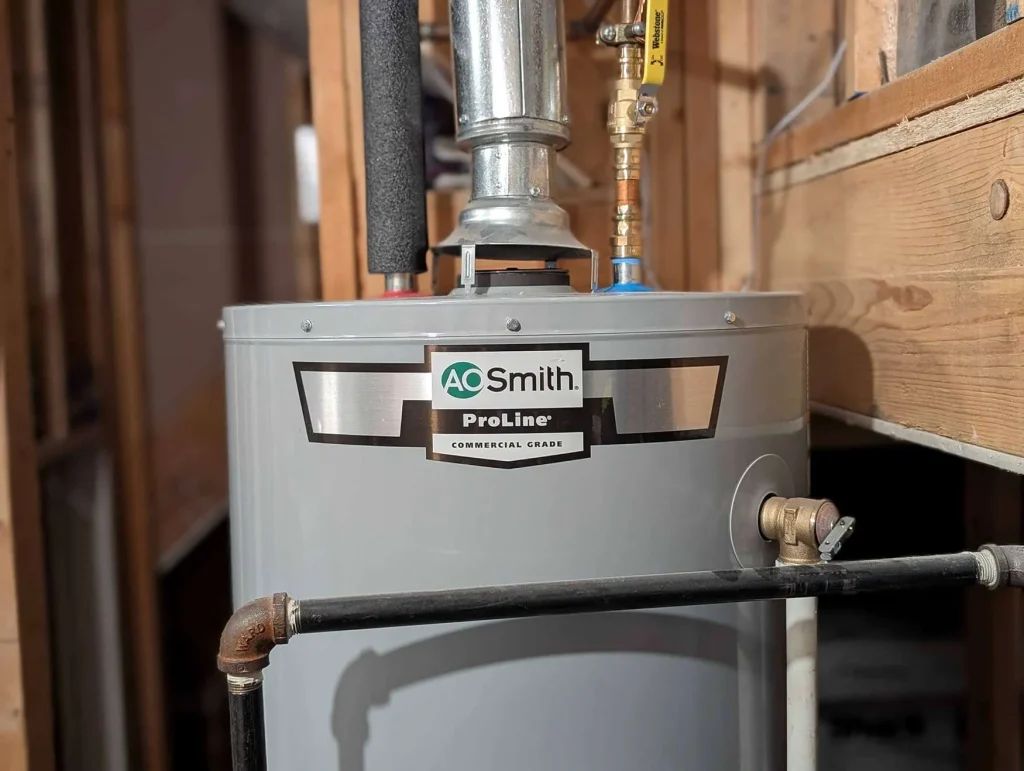
What Does Water Heater Installation & Repair Include?
A good recommendation starts with the actual failure. No hot water can be caused by an electric heating element, thermostat, ignition system, gas control, pilot system, power supply, sensor, shutoff, or another component depending on the equipment. Water around the heater can come from a plumbing connection, drain valve, temperature-and-pressure relief discharge, condensation, or a failed tank.
Replacement should not be the automatic answer to every symptom. A serviceable component on an otherwise sound unit may justify repair. A leaking tank body, major corrosion, repeated breakdowns, poor capacity, or equipment that no longer meets hot-water demand can make replacement more practical.
Signs Your Water Heater Needs Professional Service
Some symptoms can point to more than one cause. Rumbling can be associated with sediment or mineral deposits in a storage tank, while discolored water may involve the heater, an anode rod, or plumbing elsewhere in the system.
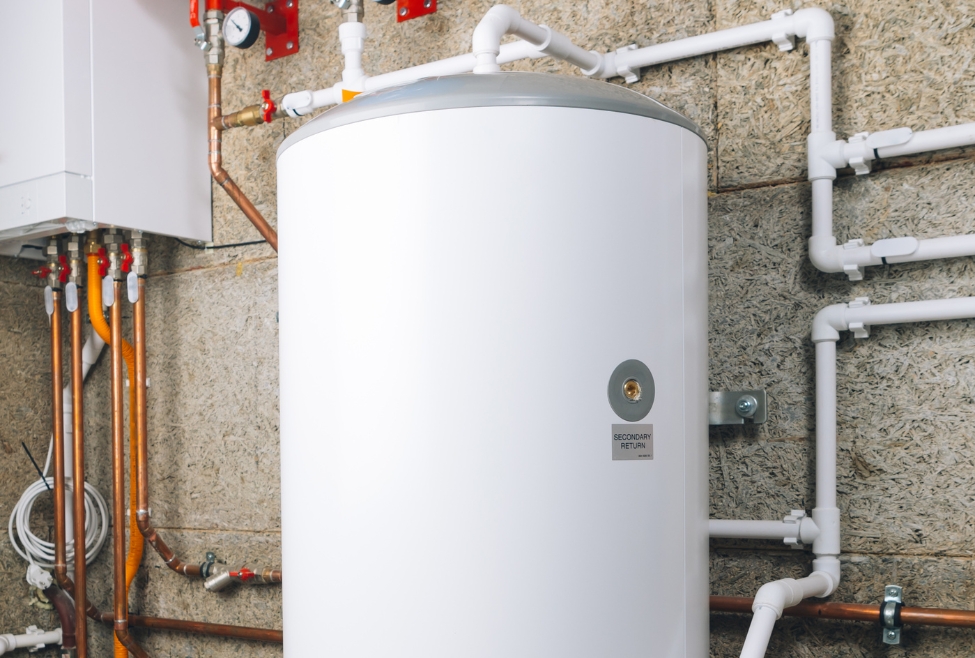
Should You Repair or Replace a Water Heater?
Repair May Be the Better Choice
Repair can make sense when the tank or heat exchanger is sound, the equipment still meets demand, parts are available, and the problem is limited to a serviceable thermostat, heating element, ignition component, valve, sensor, connection, control, or maintenance issue.
Replacement May Be the Better Choice
Replacement becomes more likely when the storage tank itself leaks, corrosion is extensive, major failures keep returning, important parts are unavailable, the system is undersized, or the owner wants to change water-heating technology.
Age can be useful context, but it should not be the only decision point. Condition, repair history, efficiency, hot-water demand, installation quality, manufacturer support, and the scope of the current failure matter more than a blanket age cutoff.
How Do You Choose the Right Replacement Water Heater?
Water-heater selection should start with hot-water demand, available energy source, installation space, recovery needs, electrical or gas capacity, venting, drainage, equipment efficiency, maintenance expectations, and the type of property.
ENERGY STAR separates residential water heaters into several categories, including high-efficiency gas storage systems, gas-fired instantaneous systems, solar water heaters, and electric heat-pump water heaters. Its criteria use measures such as Uniform Energy Factor and hot-water delivery performance.
The right choice is not always the model with the highest efficiency number. First-hour delivery, flow rate, available space, venting, utility capacity, noise, condensate, and service access can make one technology a better fit than another.
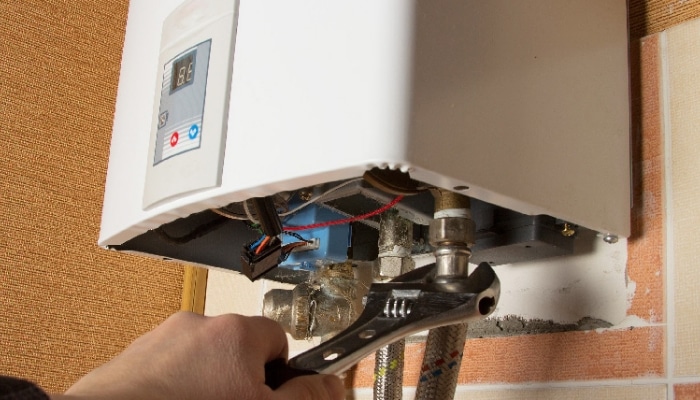
Which Type of Water Heater Should You Install?
Gas Storage Water Heater
A conventional tank stores heated water. Sizing involves storage volume, recovery, first-hour delivery, fuel supply, venting, clearances, drainage and household demand.
Electric Storage Water Heater
Electric storage systems use heating elements inside a tank. Installation should account for electrical capacity, tank size, recovery, drainage and service access.
Heat Pump Water Heater
ENERGY STAR explains that heat-pump water heaters move heat from surrounding air into the stored water. They need suitable space, airflow, condensate management and operating conditions.
Tankless Water Heater
Tankless systems heat water as it flows through the unit. Proper sizing depends on simultaneous flow and temperature rise along with gas, electrical, venting or condensate requirements.
Same-Category Replacement
Replacing a failed unit with a similar system can simplify planning when the existing location, utility capacity, venting and demand remain suitable.
Technology Upgrade
Changing from tank to tankless, standard electric to heat pump, or another configuration should be evaluated as an installation project rather than a simple appliance swap.
What Is a Heat Pump Water Heater?
ENERGY STAR describes a heat-pump water heater as equipment that moves heat from surrounding air into water rather than relying only on direct electric resistance heating. Many units are hybrid systems that can use resistance elements during higher demand.
That technology can be highly efficient, but the installation needs the right environment. Air volume, ambient temperature, condensate drainage, filter access, electrical requirements, and the cooling or dehumidifying effect on the surrounding room should be considered.
DOE purchasing guidance also notes that heat-pump systems have maintenance requirements such as cleaning the air filter according to the manufacturer.
Efficiency Is Only One Part of the Decision
Choose equipment around the property, hot-water demand, available utilities, installation conditions, serviceability and the owner's priorities—not efficiency claims alone.
What Safety Issues Matter With a Gas Water Heater?
Fuel-burning water heaters depend on proper combustion and venting. The U.S. Consumer Product Safety Commission says carbon monoxide is a colorless, odorless poisonous gas and recommends that fuel-burning appliances be installed and serviced according to manufacturer instructions and applicable codes by qualified professionals.
CPSC also recommends working carbon-monoxide alarms on every level of the home and outside sleeping areas. If a CO alarm sounds, CPSC says to move outside to fresh air and call emergency services rather than searching inside for the source.
Do not continue troubleshooting a gas water heater if you smell fuel gas, suspect a venting problem, or a carbon-monoxide alarm activates. Address the immediate safety situation before ordinary appliance repair.
Installation & Safety Checks Can Include
What Happens During Water Heater Replacement?
Diagnose the Existing Unit
Confirm the failure and determine whether repair remains reasonable before committing to replacement.
Size the New System
Review hot-water demand, fuel or electrical capacity, available space, efficiency goals and equipment type.
Install & Connect
Remove the old unit when required, set the new equipment, and complete approved water, fuel, electrical, venting and drainage connections.
Test Operation
Check for leaks, verify heating operation, confirm controls and review the completed installation.
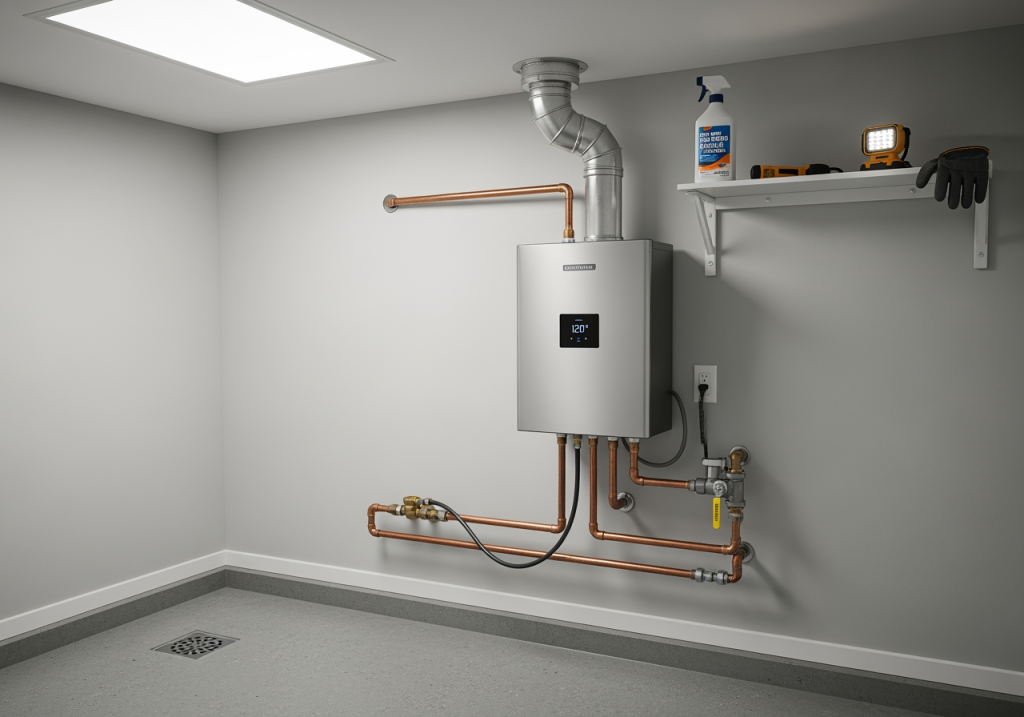
Should You Consider a Tankless Water Heater?
A tankless system can be worth considering when the property can support the required flow, fuel or electrical capacity, venting, condensate, water connections, and installation location. It should be sized around simultaneous hot-water use and temperature rise.
Tankless is not automatically the best replacement for every property. A conventional storage or heat-pump water heater may be a better fit depending on demand, utilities, space, budget, maintenance preferences and installation complexity.
Tankless Water Heater Service Areas
Looking for a city-specific tankless water heater installation, repair, replacement or maintenance page? Use the directory below to browse the existing tankless service-area pages.
Water Heater Installation & Repair FAQs
Why is my water heater not producing hot water?
The cause depends on the equipment. Possible issues include an electric heating element, thermostat, breaker or power problem, gas ignition or pilot issue, gas control, sensor, flow problem, or another component. Diagnosis should come before replacement.
Why is water leaking around my water heater?
Water can come from a plumbing connection, drain valve, relief-valve discharge, condensation, or the tank body itself. A leaking tank body generally points toward replacement, while some connection or valve leaks may be repairable.
Should I repair or replace my water heater?
Repair can make sense when the equipment is otherwise sound and the failure is limited to a serviceable component. Replacement becomes more practical when the tank leaks, corrosion is extensive, major failures keep returning, parts are unavailable, or the system no longer meets demand.
What size water heater do I need?
Sizing depends on the system type and hot-water demand. Storage heaters use factors such as tank capacity, recovery and first-hour delivery. Tankless systems depend heavily on simultaneous flow and temperature rise. Heat-pump systems also need suitable installation space and operating conditions.
Do you install gas and electric water heaters?
Yes. The main service includes installation and replacement options for conventional gas and electric water heaters, with other technologies evaluated according to the property and project.
What is a heat pump water heater?
A heat-pump water heater uses electricity to move heat from surrounding air into stored water. Many models also include electric resistance elements for higher-demand periods.
Can I replace a tank water heater with tankless?
Sometimes. The conversion should be evaluated for hot-water demand, gas or electrical capacity, venting, water connections, condensate needs, service access and installation location.
Why does my water heater make popping or rumbling noises?
Storage-tank noise can be associated with sediment or mineral buildup, but unusual sounds can have other causes depending on the equipment. Inspection is more reliable than assuming a flush will solve every noise.
What should I do if a carbon-monoxide alarm sounds near a gas water heater?
Follow the alarm and emergency guidance immediately. CPSC advises moving outside to fresh air and calling emergency services rather than searching inside for the source. Do not operate a suspected malfunctioning appliance until it has been properly serviced.
How do I schedule water heater installation or repair?
Call Alliance United Plumber at (310) 362-9413 or use the Request a Water Heater Quote button. Describe the equipment type, symptoms, visible leaks or error information, and whether you are interested in repair, replacement or an upgrade.
Need Water Heater Installation or Repair?
Call Alliance United Plumber for water-heater troubleshooting, leak diagnosis, repair, replacement, new installation, or help comparing conventional tank, tankless and heat-pump options. The recommendation should match the actual equipment, hot-water demand and installation conditions.