
Sewer Main Installation & Replacement
Recurring backups, several slow drains, sewer odors, root intrusion, collapsed pipe, broken joints, or a new connection for an addition or ADU can point to a sewer problem that goes beyond routine drain cleaning.
Alliance United Plumber provides sewer camera diagnostics, private sewer lateral replacement, new sewer installation, conventional excavation, and trenchless replacement options when the line and property qualify.
Open 24 hours as stated on the current website. Project scope, access, permits, excavation and trenchless eligibility depend on the property and sewer condition.
When Does a Sewer Line Need Replacement?
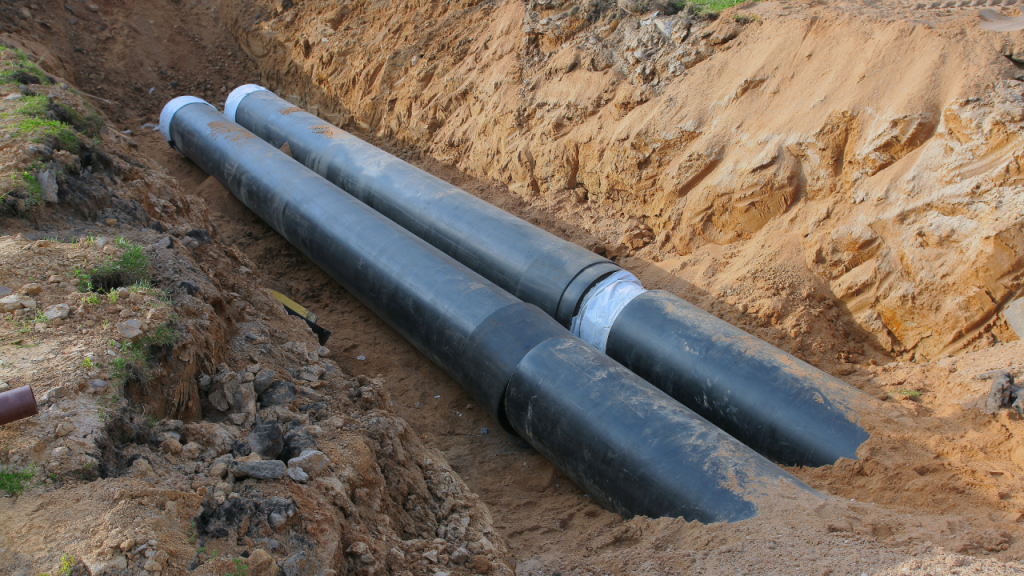
A recurring clog does not automatically mean the entire sewer line needs replacement. Grease, wipes, roots, debris, or a localized obstruction can sometimes be cleared. A sewer camera helps determine whether the problem is a blockage, a repairable defect, a condition that may qualify for rehabilitation, or a pipe that has physically failed.
A private sewer lateral is the section of sewer piping that carries wastewater from a private building toward the public sewer system. Ownership and maintenance responsibility vary by jurisdiction, so the property connection and local utility rules should be confirmed before major sewer work.
Signs the Main Sewer Line or Private Lateral Needs Inspection
One slow sink can be a branch-drain problem. Several fixtures changing at the same time can point to the building drain or sewer lateral.
EPA describes private sewer laterals as the portion of the sewer network connecting individual properties to the public sewer system. Deteriorated laterals can contribute to infiltration, backups, and broader sewer-system problems.
Do You Need a New Sewer Installation or Sewer Replacement?
New Sewer Installation
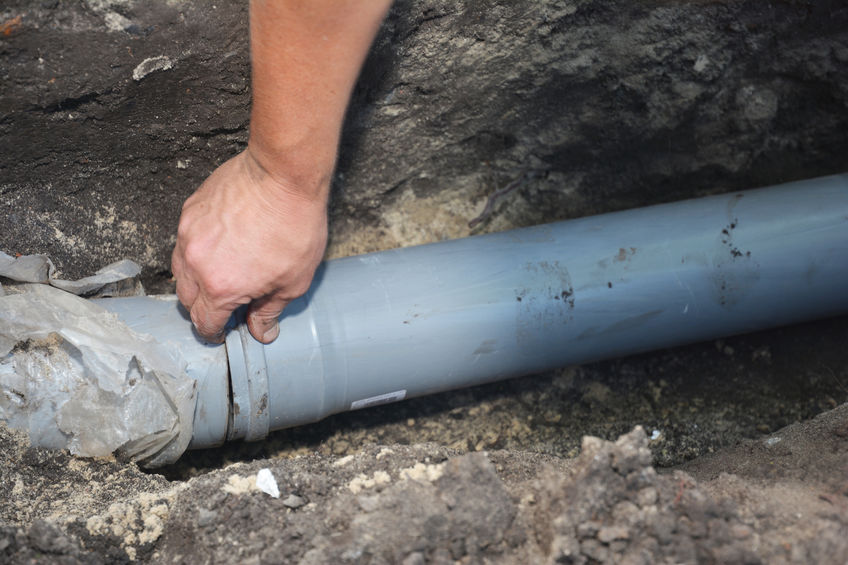
New installation may be needed when a property adds a structure, changes plumbing layout, needs a new house connection, reroutes an abandoned line, or upgrades the sewer connection for a permitted project.
Sewer Replacement
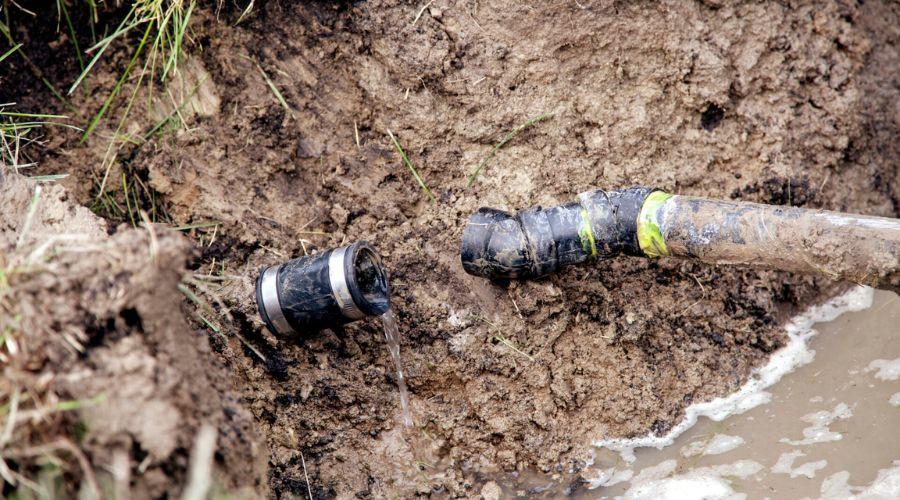
Replacement applies when an existing line can no longer provide reliable drainage because it is collapsed, offset, badly cracked, repeatedly invaded by roots, or otherwise structurally unsound.
Why Start With a Sewer Camera Inspection?
A camera inspection helps separate a cleaning problem from a structural failure. It can document visible cracks, offsets, root intrusion, standing water, separated joints, obstructions and other conditions inside accessible portions of the sewer.
Video inspection is widely used to document visible conditions inside sewer piping before excavation or replacement decisions are made. The footage should still be interpreted together with pipe location, depth, material, slope, access, and backup history.
Camera footage should be interpreted together with line location, depth, pipe material, access, slope, site conditions and the history of backups.
What a Camera Helps Answer
Common Causes of Sewer Main and Lateral Failure
LACSD recommends keeping fats, oils, grease, wipes and other non-dissolving materials out of drains because they can contribute to blockages and sewer backups.
Traditional Excavation vs. Trenchless Sewer Replacement
Traditional Excavation
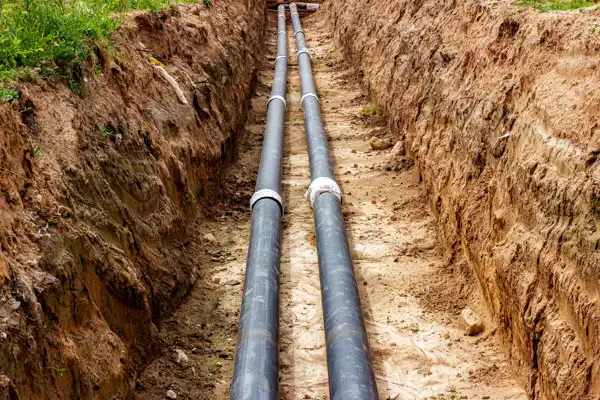
Open-trench replacement exposes the existing sewer so damaged pipe can be removed and a new line installed. It may be the better choice when the route must change, grade problems must be corrected, connections need direct access, or trenchless conditions are not suitable.
Trenchless Pipe Bursting
NASSCO describes pipe bursting as a trenchless replacement method that breaks or splits the existing pipe while pulling a new pipe into place. It can reduce continuous excavation when pipe alignment and site conditions allow.
What Happens During Sewer Main Replacement?
Diagnose & Locate
Review backup history, inspect cleanouts, use camera inspection where appropriate, and locate the pipe route and visible defect.
Plan the Replacement
Determine excavation or trenchless eligibility, access points, utilities, depth, connections, restoration and permit requirements.
Replace the Failed Sewer
Install the new sewer using the approved method, maintaining appropriate alignment, grade and connections for the project.
Inspect & Restore
Complete required inspection, verify flow and connections, and restore excavated access areas as defined by the scope.
Does Sewer Replacement Require a Permit?
Permit and inspection requirements depend on the jurisdiction and the project scope. Sewer replacement, new connections, work in a public right-of-way, changes to drainage piping, excavation near utilities, and larger construction projects can require different approvals.
Before work begins, the applicable local building department, sewer authority, or public works agency should be checked so the project follows the correct permit and inspection path.
Can a Sewer Line Be Repaired Without Replacing the Whole Pipe?
The useful question is not simply “repair or replace?” It is what defect exists, where is it located, how much of the line is affected, what condition remains elsewhere, and which method addresses the actual failure.
Find Sewer Main Installation & Replacement Service by City
Looking for a city-specific sewer main installation, replacement, sewer lateral, or trenchless service page? Use the directory below to find the appropriate local service page.
Sewer Main Installation & Replacement FAQs
How do I know if my sewer line needs replacement?
Replacement becomes more likely when camera inspection shows collapse, severe cracking, separated joints, major offsets, repeated root damage, significant bellies or structural failures that cleaning cannot correct.
Do I need a sewer camera inspection before replacement?
Camera inspection is usually a valuable first step because it can identify visible defects and help locate the problem before excavation or trenchless work is planned.
What is the difference between a sewer main and a private sewer lateral?
The public sewer main is part of the public wastewater collection system. A private sewer lateral carries wastewater from a private building toward the public sewer. Ownership and maintenance responsibility vary by jurisdiction.
Can tree roots be removed without replacing the sewer?
Sometimes. Root cutting may restore flow if the pipe remains structurally sound. If roots enter through badly separated joints, cracks or collapsed sections, structural repair or replacement may be needed.
Is trenchless sewer replacement always possible?
No. Eligibility depends on pipe condition, alignment, access, utilities, depth, connection points and the type of defect.
What is pipe bursting?
Pipe bursting is a trenchless replacement method that breaks or splits the existing pipe while pulling new pipe into its place.
Can a sewer line be replaced for an ADU or addition?
A new structure or added plumbing load can require evaluation of the existing sewer route, house connection and permit requirements. Some projects need a new or modified sewer connection rather than replacement of a failed line.
Does sewer replacement require a permit?
Permit requirements depend on the jurisdiction and scope. Sewer replacement, new connections, drainage modifications, excavation, and work near public infrastructure may require permits and inspections.
What should I do if sewage is backing up right now?
Stop using toilets, sinks, showers, dishwashers and washing machines that discharge into the backed-up line. Avoid direct contact with wastewater and call for plumbing service. A public-sewer issue may also require the local sanitation agency.
Need Sewer Main Installation or Replacement?
Call Alliance United Plumber to diagnose recurring backups, structural sewer damage, root intrusion, failed pipe or a new sewer connection. The first step is understanding the condition and location of the line so the repair, replacement, excavation or trenchless recommendation matches the actual problem.